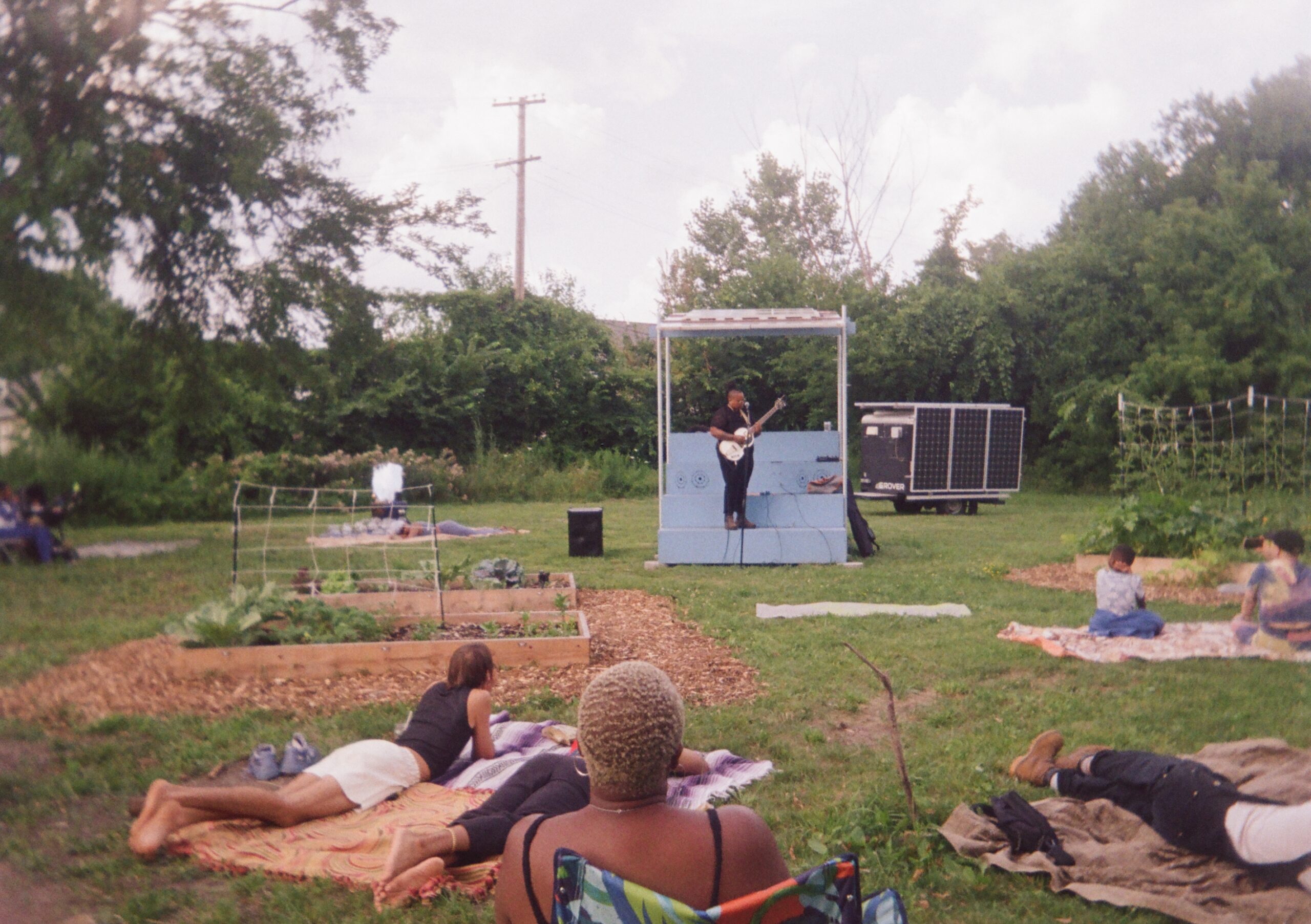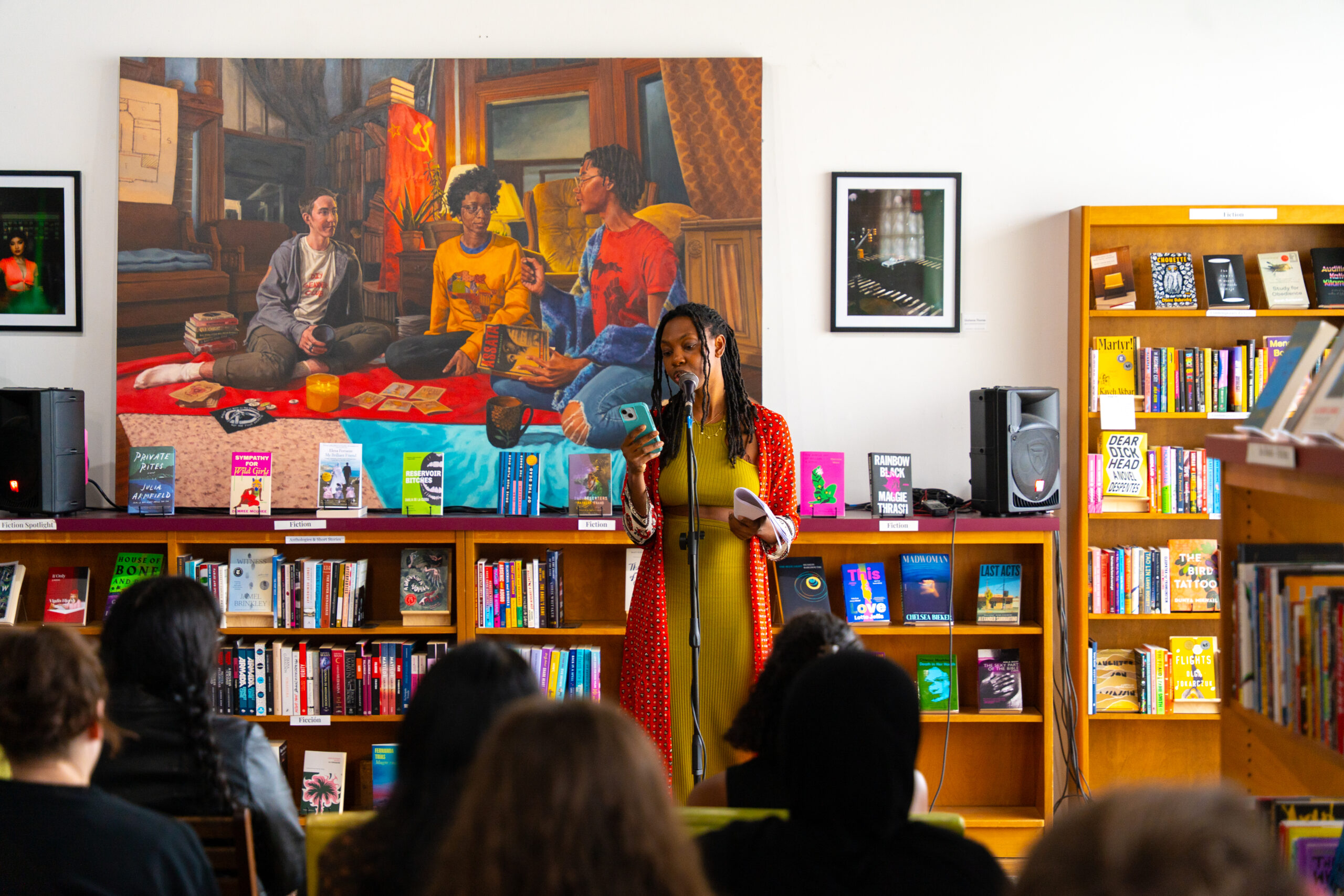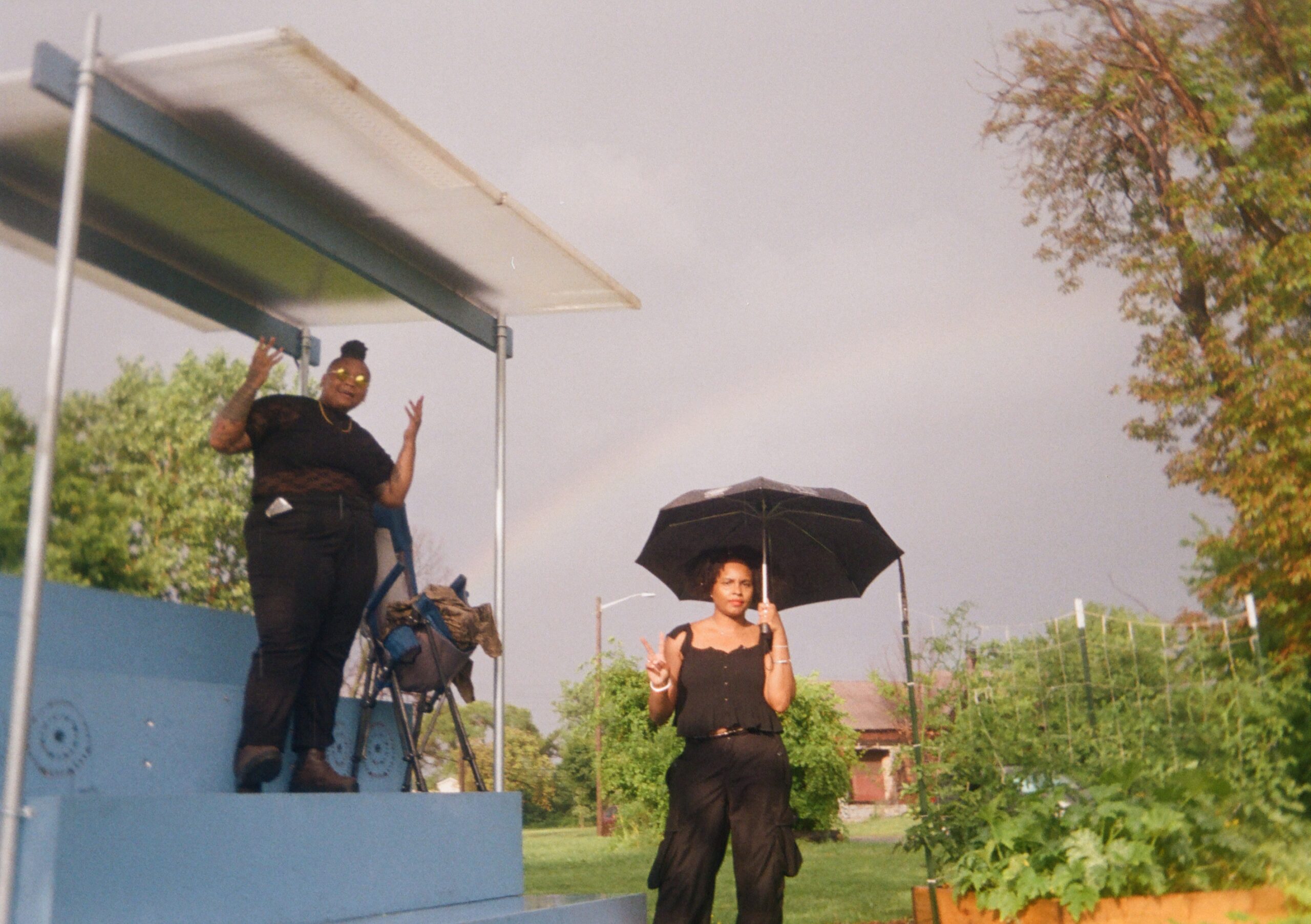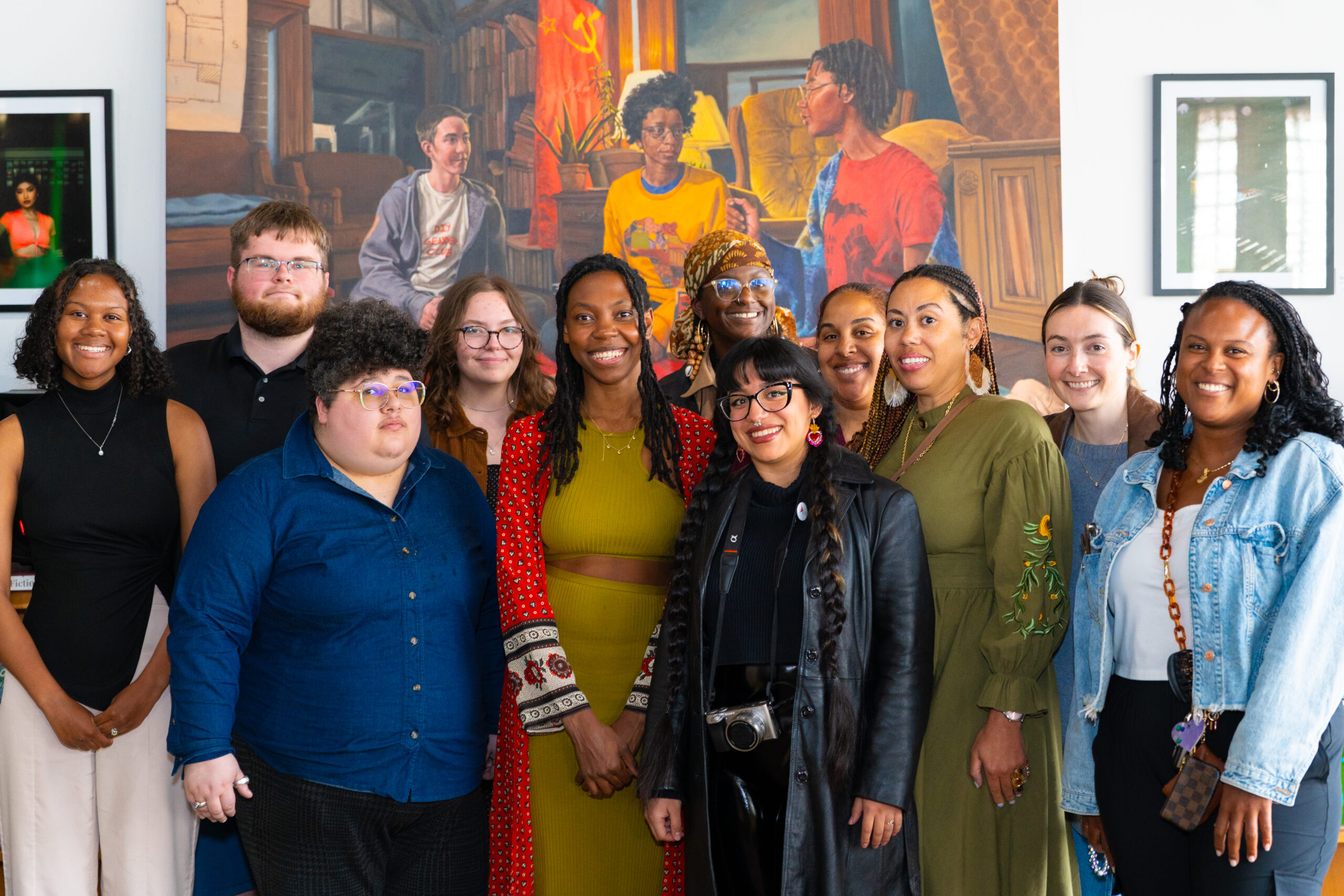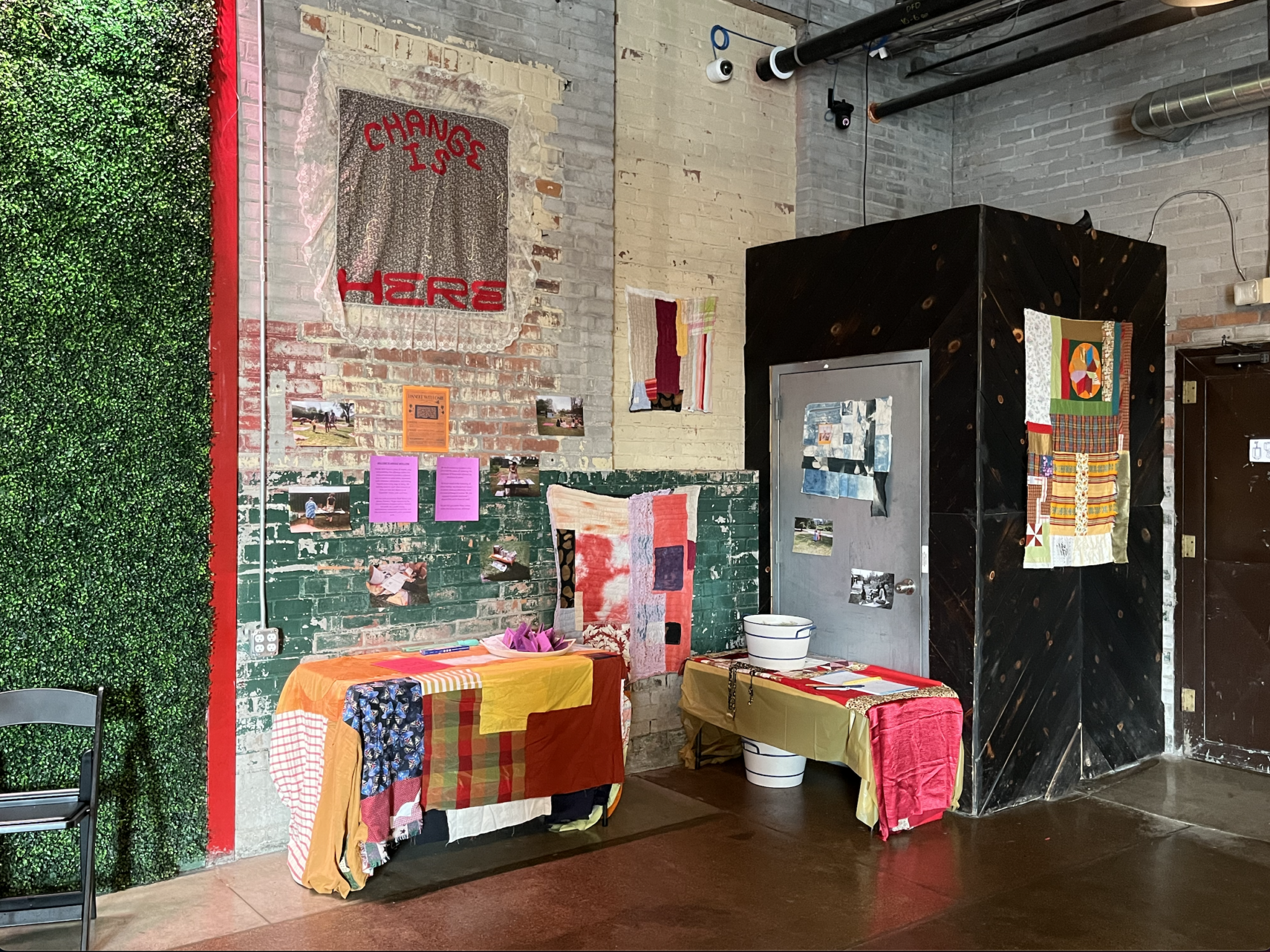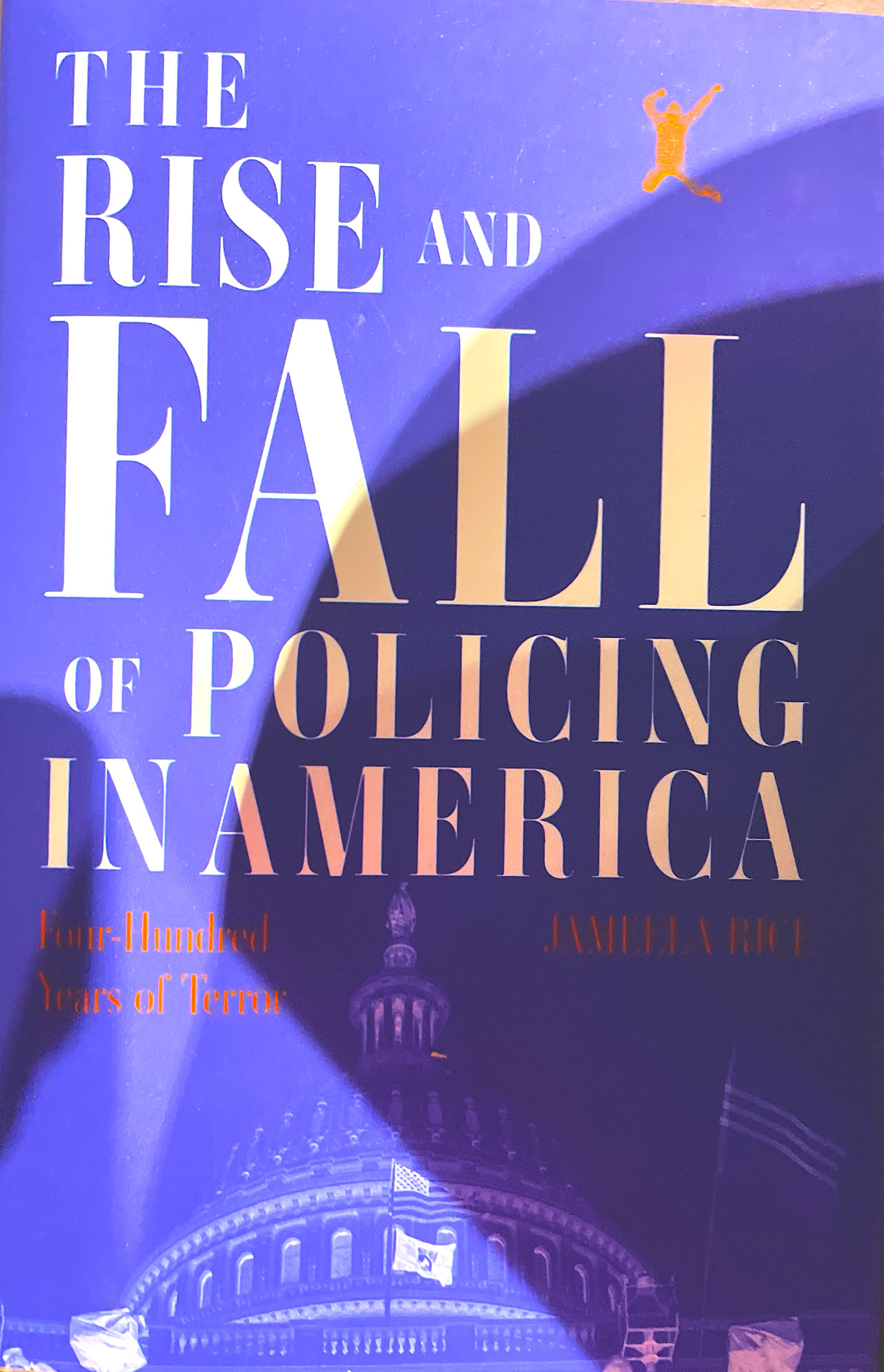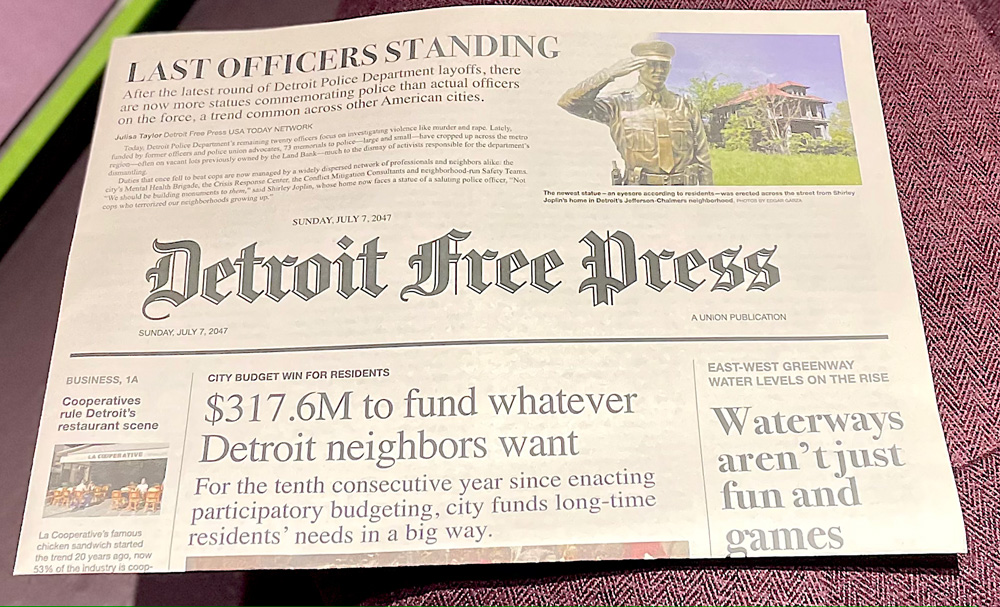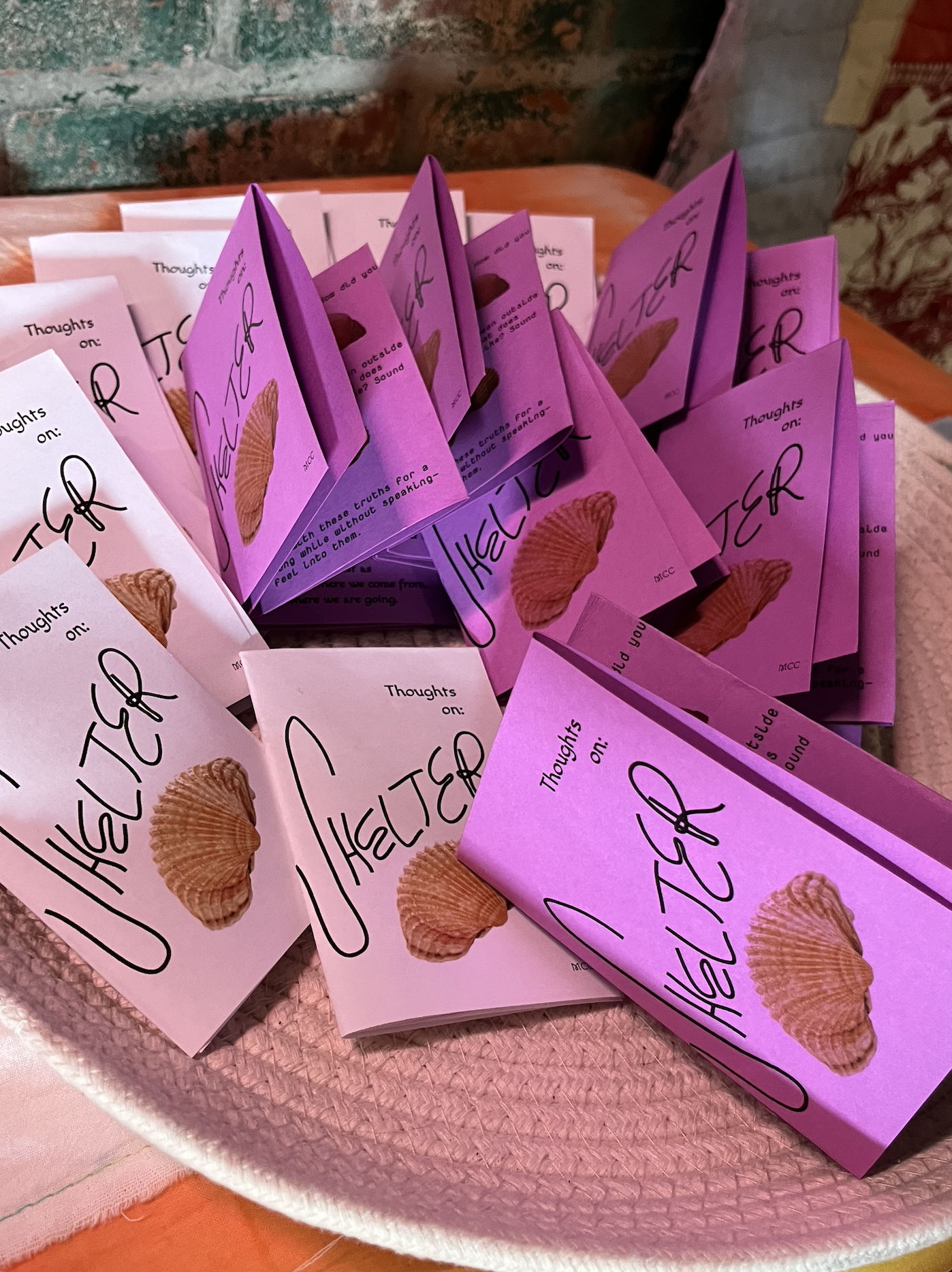
The Detroit Justice Center believes that creativity and art are essential to imagining and building a world where every human life is valued with equal care and consideration and disposing of people is no longer considered justice. As attorneys and advocates, we are inundated by words, concepts, figures, and statistics that are intended to demonstrate the possibility of abolition and create ever tighter coalitions to express its urgency. Data in many ways is the currency of social justice and economic equity, but it cannot evoke the sense of possibility, wonder, and imagination that art and media can.
Every year since 2020, the Detroit Justice Center has been asking Wayne County artists to submit project proposals that grapple with the question:
“What does a world without police and incarceration look like?”
What would it feel like to exist in a world without the police and incarceration, without jails, prisons, and detention centers? What would be the textures and sensations of that world? What patterns of interactions and relationships would transform for the communities that would be born as we realize these demands of structural change?
Inspired by Detroit’s long history of arts and activism, we look to artists to dream of new worlds and engage our community in visioning safety without punishment. Beginning in 2026, we are expanding our artist residency! We will be offering two different residencies open to artists living in the state of Michigan. The first is specifically for formerly incarcerated artists in Michigan, and another that is open to all artists. Applications for the formerly incarcerated artist residency open January 2nd, 2026, and will close February 28th, 2026. Applications for the second residency will open in July 2026.
Applicants may work in any artistic medium and may submit up to five work samples as part of the application process. We ask that applicants who use time-based mediums (such as dance, music, and video) limit their work samples to no more than 20 minutes total. Anyone submitting written work is asked to limit their work sample to no more than 15 pages total.
The artist whose project is chosen by our panelists will receive $20,000 and will have until March 2027 to create and execute the proposed project. Applications have been extended to 2/28/2026.
We strongly encourage people of color, women, LGBTQ people, people with disabilities, and individuals with past involvement in the criminal punishment system or who have loved ones currently or formerly in the criminal punishment system to apply.