

by Kassandra Frederique and Sheba Rogers
Originally published in the Detroit News Nov. 24, 2025, 8:11 p.m. ET
In Detroit, we take care of our own. From auto lines to church basements, the city thrives when people show up for one another. Today, local organizations continue that tradition, doing lifesaving work despite limited resources — connecting people struggling with addiction to care, saving lives and proving what community care can look like.
Yet, too many Black Detroiters still lack the support they need, making it urgent to expand this lifesaving work. In 2024, Michigan saw 1,877 fatal overdoses, a significant drop from 2023. But progress hasn’t been shared equally. Although Black and White people use drugs at similar rates, Black residents are nearly three times more likely to die of an overdose.
These numbers represent parents, children, neighbors and people whose loved ones fought for them even when they were denied care.
We both know this pain personally. Kassandra Frederique, Executive Director of the Drug Policy Alliance (DPA), has seen how criminalization devastates Black families. Sheba Rogers, a lifelong Detroiter and leader of the Divest/Invest Initiative at the Detroit Justice Center, has spent decades building coalitions to strengthen outcomes for Black communities. Both of us have supported loved ones struggling with addiction and mental illness who were denied the care everyone deserves.
We share community concerns about the harms of fentanyl and the reality that too many Detroiters are left suffering on the street. But our elected leaders have overlooked interventions proven to work. Detroit invests far more in punishment than healing. For every $68 spent on public health, the city spends $545 — more than eight times as much — on incarceration.
This spending reflects the failed war on drugs, which funnels public dollars into punishment while blocking people from food, jobs and housing. By investing in affordable housing, living-wage jobs and mental health care, especially in Black neighborhoods disproportionately affected by the drug war, harm can be prevented before it occurs.
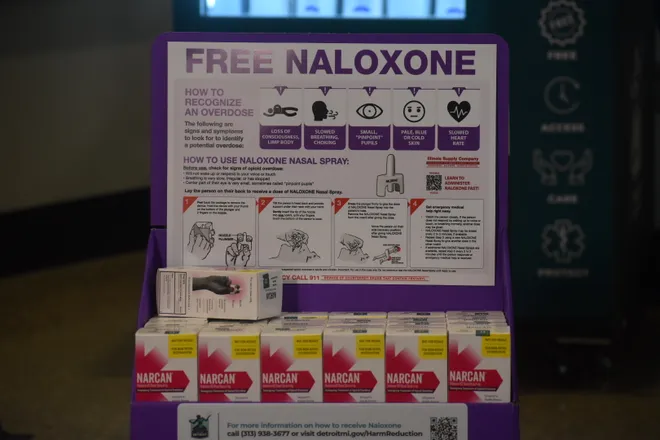
Prevention must be paired with crisis response. Detroit is already a leader in connecting people in crisis with help. The Detroit Health Department has opened 25 Harm Reduction Wellness Stations that provide naloxone and fentanyl test strips to prevent overdoses. Despite limited resources, organizations led by people with lived experience like ECHO Detroit, Detroit Recovery Project, Detroit Peer Respite, SOOAR and Detroit Safety Team are providing mobile health services, recovery housing, crisis response training and culturally-rooted therapy. These programs save lives and must be expanded, especially as cuts to SNAP and Medicaid threaten to destabilize Detroiters.
To meet the city’s growing need for care, we can open more community healing hubs in neighborhoods most impacted by overdose and criminalization while shifting dollars from incarceration toward prevention. These solutions build long-term stability and belonging at a fraction of the cost of jails and prisons.
Safety is the strength of our relationships. It’s knowing someone will notice if you’re struggling. Every overdose prevented, life saved and neighbor cared for strengthens the fabric that holds this city together.
It’s no coincidence that the DPA chose to bring the International Drug Policy Reform Conference to Detroit. This city has always been a place where people turn obstacles into movements. From the 1963 Walk to Freedom to the case of John Sinclair, which paved the way for marijuana legalization, Detroit’s history is one of relentless courage.
The Reform Conference brings local solutions to a global stage. This month, more than 1,800 advocates, service providers and people impacted by addiction gathered to imagine a more compassionate future. This same spirit drives the Detroit Justice Center’s local roundtable, which brings together community groups developing restorative alternatives to incarceration. This diverse coalition meets regularly to build a healthier, safer Detroit.
By investing in community care and supporting local organizations already leading this work, Detroit can model public safety rooted in trusted relationships, health and dignity. Safety begins when we take care of one another. It grows in community gardens, block clubs and schoolyards, and is sustained by neighbors who refuse to give up on one another.
That’s the Detroit we know — resilient, resourceful and ready to show leaders from across the world what community-driven health and people-centered drug policy reform look like.
Kassandra Frederique is executive director of the Drug Policy Alliance (DPA). Sheba Rogers is a lifelong Detroiter and leader of the Divest/Invest Initiative at the Detroit Justice Center.